ANSWER the venue checklist
Space, power, and paperwork requirements
This page exists to be forwarded — to your facilities manager, your GC, or the venue. Everything a hat bar needs from the building, in one place.
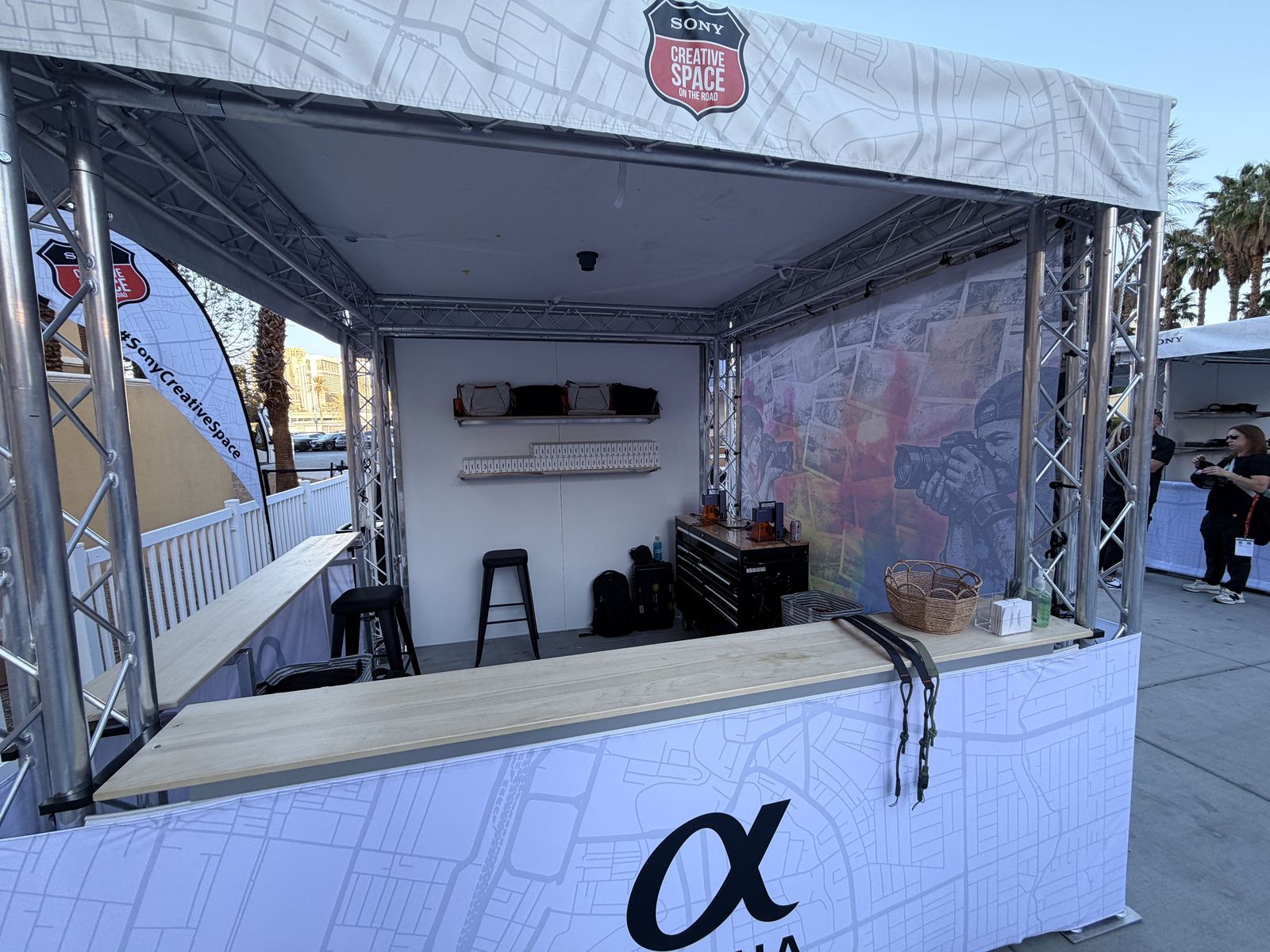
Footprint. The standard station is a 10×10 including the queue mouth: cap wall at the back, press counter front-and-center, patch menu alongside. Tight lobby or sales floor? The compact 8-foot bar trades the freestanding wall for counter displays and tucks against a wall run. Inside trade-show booths, the station shares a 10×20 comfortably with a demo counter and seating.
Power. One 120V/20A circuit — a normal commercial outlet — runs everything, presses included. We bring our own cable management and floor covers for any cord run guests could cross. No water, no compressed air, no venting; heat presses produce brief warm-air cycles, nothing a lobby HVAC will notice.
Load-in. Sixty to seventy-five minutes from dock to ready, about forty-five to strike. The kit rolls on standard casters and fits any freight elevator; for street-level retail we can hand-carry through the front door before opening. We schedule around your building’s quiet hours — early mornings and after-close load-ins are routine, not favors.
Paperwork. Class A buildings typically want three documents: a certificate of insurance naming property manager and owner as additional insured, a booked freight elevator window, and a security roster with crew names. Convention venues swap that for the exhibitor kit — electrical order, drayage forms, and sometimes GC labor coordination. Either way, send us one contact and the paperwork leaves your desk.
Floors and finishes. The station is self-contained and leaves nothing behind — no adhesive on floors, no wall mounting, no residue. Marble lobby, polished concrete, show carpet: all fine as found.
Facilities signed off?
Then the hard part’s done — the rest is picking hats and patches.